In a nutshell
- 🧠 Sentimental anchors pair facts with emotion, boosting recall by exploiting the brain’s bias for personal relevance and distinctiveness.
- 🔬 Emotion tags memory: the amygdala signals the hippocampus to consolidate, while rich context and sensory cues create multiple retrieval routes.
- 🛠️ Practical method: craft a vivid scene in 30 seconds, use multisensory encoding, schedule spaced retrieval, then test with cold recall to lock it in.
- 🎯 Choose the right cues—personal anecdotes, sound/rhythm, scent, or place linking—and limit to one strong anchor (two max) per item for clarity.
- ⚖️ Respect ethical limits: avoid manipulation or painful triggers, prevent overload, cross-check details for accuracy, and “dust” memories with brief weekly reviews.
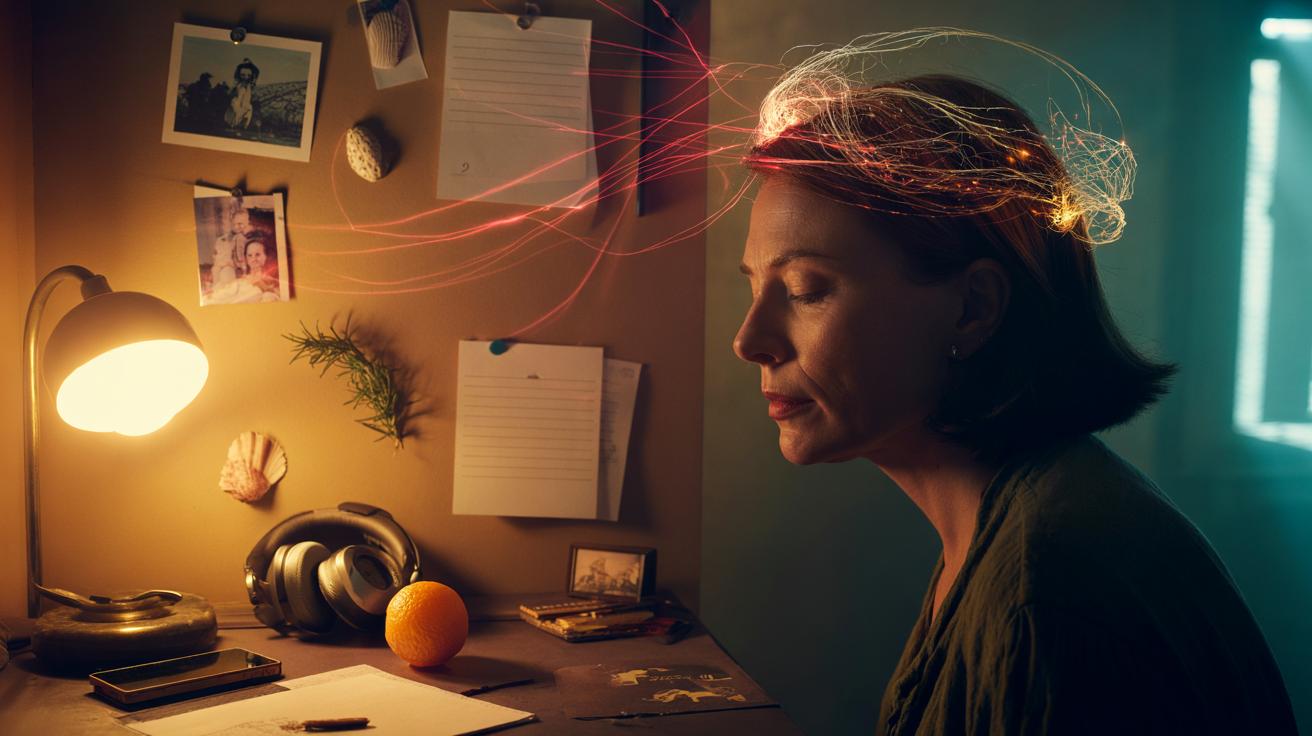
We remember what touches us, not what lectures us. That’s the crux of memory anchoring with emotion: blend a dry fact with a warm image, a proud moment, or a sting of surprise, and the information sticks like wet paint. In classrooms, newsrooms, and crowded commutes, this technique turns noise into narrative. It’s not a gimmick. It is neurobiology and craft. When you pair data with a feeling, you mint a personal story your brain is reluctant to lose. Think dates wrapped in family anecdotes, names stitched to a joke, formulas tied to a song. Small anchors, big recall.
Why Sentimental Anchors Supercharge Memory
Facts fade because they lack hooks. Sentimental anchors supply those hooks by coupling information with sensory and emotional detail. A phone number becomes a birthday; a password feels like a triumph you once celebrated; a foreign word recalls the café where you learned it. The brain prioritises what seems personally meaningful or emotionally arousing. That bias is an opportunity, not an obstacle. The trick? Make the anchor vivid, specific, and honest. Vague sentiment rarely grips.
There’s practical elegance here. Short anchors, crafted in seconds, can shepherd complex material through a busy day. Picture colours, smells, textures. Add a touch of narrative. “1998” turns into “the summer my trainer laces finally snapped.” The detail does the heavy lifting, not rote repetition. Distinctiveness matters most: choose cues unlike your ordinary mental wallpaper. Repeat them briefly, then rest. Spaced recall cements the bond. Result: less cramming, deeper remembering, and a gentler cognitive load.
The Science: Emotion, Context, and the Hippocampus
Memory is not a filing cabinet; it’s a living network. When a fact carries emotion, the amygdala flags it, nudging the hippocampus to encode more robustly. Emotion boosts consolidation by marking information as urgent, valuable, or self-relevant. This is why the smell of rain can unlock a GCSE poem, or a football chant can return a French verb. Context binds the pieces together, providing routes back to the information when you need it.
Different anchors recruit different senses and contexts. Choose according to the task, not habit. Here’s a quick reference:
| Anchor Type | Primary Sense | Best Use | Example Cue |
|---|---|---|---|
| Personal Anecdote | Visual + Emotional | Dates, names, historical facts | “Treaty = granddad’s map on the wall” |
| Sound or Rhythm | Auditory | Sequences, formulas, spellings | Beat for digits: 2-3-1-1-0 |
| Scent or Taste | Olfactory/Gustatory | Language vocab, places | Orange zest for “zest” synonyms |
| Place Linking | Spatial | Lists, multi-step processes | Each step in a hallway |
Be deliberate with emotional intensity. Too weak and the anchor slips; too strong and it can overshadow the fact. Aim for warm relevance, not melodrama. That sweet spot sustains recall without distortion.
Practical Anchoring Techniques for Everyday Facts
Start small. Pick one stubborn fact. Wrap it with a quick, believable scene. Thirty seconds crafting an anchor can save thirty minutes of repetition. For a colleague’s name, tie it to a quirky image: “Amelia” becomes the glider pilot you once watched above Brighton, wind clean and bright. For an acronym, invent a sentence that makes you smile—humour is a natural highlighter. Keep it respectful, keep it personal.
Next, engage the senses. Read the fact aloud in a specific tone, tap a rhythm with your fingers, glance at a colour cue on a sticky note. Multisensory encoding builds multiple retrieval paths, so one cue can pull up the rest. Then schedule two quick reviews: one after ten minutes, another after a day. Don’t cram. Change context—walk, stand, sit—so your memory doesn’t rely on one scene. Finally, test yourself cold. Speak it, don’t peek. That brief struggle tells the brain, “store this.”
Ethical Limits and Cognitive Pitfalls
Emotion is potent, which makes ethics non-negotiable. Anchors should not manipulate other people or exploit painful memories. Use sentiment to enrich learning, not to coerce behaviour. When teaching, offer students autonomy: invite them to design their own anchors, and respect private associations they don’t wish to share. Transparency builds trust and better outcomes.
Beware distortions. Strong feelings can warp details, especially numbers and attributions. Keep a clean reference nearby and cross-check after recall. Overloading is another trap: a dozen anchors for one topic becomes clutter, not clarity. Choose one strong anchor per item, two at most. And remember the maintenance cycle. Without spaced retrieval, even the best anchor fades. A brief weekly review—the “dusting” pass—keeps everything accessible without turning study into a slog. Balanced intensity, light repetition, honest imagery: that trio preserves accuracy and ease.
Sentimental anchors don’t replace hard work; they refine it. They turn rote into resonance, tapping our brain’s natural bias for stories, senses, and stakes. With a few habits—crafted images, spaced prompts, ethical guardrails—you can convert fragile facts into sturdy knowledge that survives the week and serves the year. The method is simple, scalable, and human. So which stubborn fact will you anchor today, and what vivid, personal scene will you choose to make it unforgettable?
Did you like it?4.5/5 (20)