In a nutshell
- 🔬 A cut lemon releases limonene and citral—volatile compounds that mask stale odours and create a cleaner-feeling space overnight (a sensory lift, not a disinfectant).
- 🛠️ Simple setup: halve or quarter the lemon, place cut-side up on a dish at nose height, ventilate slightly, and replace every 24–48 hours for best results.
- ⚠️ Use wisely: avoid marble/limestone and unsealed wood, keep away from pets, and remember citrus won’t fix mould, smoke, or embedded odours without proper cleaning.
- 🌬️ Safety note: lemon oils can interact with indoor ozone; a cracked window or open door limits particles and keeps the fragrance fresh, not stuffy.
- 🌿 Boost and reuse: score the peel, add a pinch of salt or bicarbonate of soda, then repurpose spent wedges to deodorise boards, descale, or compost them.
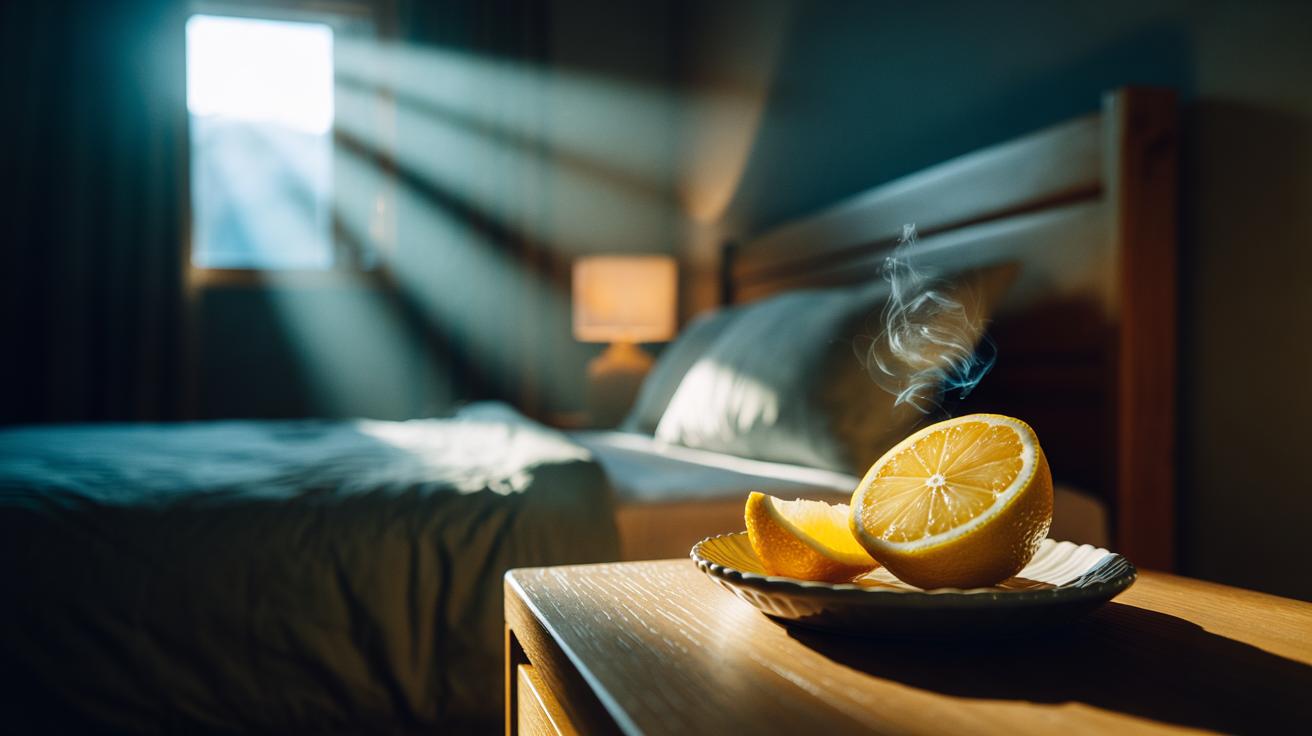
A sliced lemon on a bedside table feels like folklore, yet the effect is strikingly modern: a quick, natural way to make a space feel cleaner, calmer, and less stuffy by morning. The secret isn’t magic, it’s chemistry. Citrus releases bright, volatile aromas that drift into corners where stale smells linger. It’s easy, inexpensive, and—used well—surprisingly effective. Still, temper the hype. A cut lemon won’t “purify” indoor air like a filter, and it won’t erase the need to clean. But if you want a gentle refresh while you sleep, this is a smart little ritual powered by limonene, citral, and acidity.
The Science Behind Citrus Freshness
The aroma that makes rooms feel newly scrubbed comes from volatile organic compounds in lemon peel and flesh—especially limonene (zesty, uplifting) and citral (lemony, slightly sharp). When you slice a lemon, you rupture oil glands in the rind and expose juicy cells, vastly increasing evaporation. Overnight, those molecules gently diffuse, masking musty notes and making lingering odours seem less intrusive. It feels like you opened a window, even if you didn’t. That light, clean impression is sensory, not sterilising, but it’s real and immediate.
There’s more. The fruit’s mild acidity and traces of antimicrobial compounds can inhibit some bacteria and mould on surfaces they touch directly. In the air, the impact is modest—nowhere near a disinfectant—but the psychological lift can be profound. Short, sharp bursts of citrus also help with odour fatigue; our noses “reset” more easily with bright top notes than with heavy perfumes.
One caveat worth knowing: limonene can react with indoor ozone to form tiny particles in poorly ventilated rooms. The levels from a single lemon are typically low, yet smart ventilation wins. Crack the window a finger’s width, or leave a door ajar, and enjoy the fragrance without stuffiness.
Simple Overnight Setup That Actually Works
Choose a firm, fresh lemon. Halve it crosswise to expose the maximum cut surface, or quarter it for even more aroma. Place the pieces cut-side up in a small bowl, saucer, or on a coaster to protect wooden finishes. For a medium bedroom, one lemon often suffices; two for a bigger lounge. Position it on a stable surface roughly at nose height—bedside, desk, or a shelf—not hidden behind curtains. Keep fruit away from polished marble or limestone, as acid can etch. In summer, set it slightly off direct sunlight to prevent premature drying.
Want a stronger lift? Lightly score the peel, releasing extra oils from the zest. Some people add a pinch of sea salt or a teaspoon of bicarbonate of soda beside the lemon to help trap sour base notes from bins or trainers. Replace the fruit every 24–48 hours; once it dries or turns dull, the effect fades. Dispose of spent wedges in the compost, or repurpose them in the morning to descale a tap or freshen a chopping board.
| Step | Detail | Why It Matters |
|---|---|---|
| Cut | Halve or quarter | Maximises exposed oils and juice |
| Place | Bowl/coaster at nose height | Better diffusion, protects surfaces |
| Vent | Door ajar or window cracked | Fresh flow, avoids stuffiness |
| Replace | Every 24–48 hours | Prevents souring, maintains aroma |
When to Use It—and When Not To
Use the lemon trick for light odours: a guest room closed for weeks, a home office after a long day, wardrobes with a faint must. It’s ideal before morning viewings if you’re selling a house; the scent reads as “clean” without the chemical blast of aerosols. Pair it with basic good habits—airing duvets, emptying bins, wiping sinks—and you’ll notice a real difference by breakfast. Short nights help; long ones work too.
Don’t expect miracles where smells are embedded in soft furnishings, smoke-stained paint, or damp walls. If there’s a source problem—mould, pet accidents, blocked drains—fix that first. Citrus can’t substitute for extraction fans in kitchens or bathrooms either. Pet guardians should be cautious: cats and dogs may dislike strong citrus oils, and concentrated residues can irritate. Keep bowls out of their reach.
Surface safety matters. Avoid placing cut fruit on marble, limestone, or unsealed wood. Use a dish and wipe any splashes promptly. Asthma sufferers sensitive to fragrances should trial a small amount, in a ventilated setting, and reconsider if irritation occurs. The golden rule? Enjoy the lift, keep expectations tidy, and let airflow do the heavy lifting.
Boosting the Citrus Effect Sustainably
There are smart ways to amplify results without waste. Twist strips of lemon peel to express oils, then perch them beside the cut fruit; the peel carries the brightest zing. Combine with a morning routine: open windows for ten minutes, make the bed, then remove the lemon. That rhythm prevents staleness from settling. For evening reset, a new slice runs gentle interference against cooking aromas drifting upstairs.
Repurpose is the watchword. After the overnight shift, rub the spent half across a chopping board with salt to deodorise and help lift stains. Descale a kettle with the squeezed lemon and water, simmering briefly. Pop the remnants into the compost caddy. Low cost, low waste, high satisfaction. Small rituals can deliver big sensory dividends.
If you love scent layering, pair citrus with a sprig of rosemary or a few crushed cardamom pods on the same dish for a greener, more complex profile. Keep combinations simple to avoid muddiness. The aim isn’t a perfumery—just a quiet, bright nudge that makes rooms feel freshly aired without flipping on a single machine.
In the end, a cut lemon is a tiny, tactile piece of domestic science: cheap, charming, and grounded in real chemistry. It won’t overhaul a flat on its own, but it will soften stale corners and reset the mood while you sleep. Used with light ventilation and regular cleaning, it becomes a reliable ally in the daily battle against fug. Will you try the overnight slice tonight—or customize the ritual with your own citrus twist?
Did you like it?4.5/5 (23)