In a nutshell
- 🌱 Eggshells (≈95% calcium carbonate) gently buffer soil pH, improve soil aggregation and aeration, and energise microbes—resulting in deeper roots and steadier nutrient cycling.
- 🧬 Adequate calcium stabilises root membranes and ion channels, sharpening uptake of potassium and nitrate, freeing phosphorus near pH ~6.5, and supporting mycorrhizae; avoid excess Ca that can antagonise Mg/K or lock up P at high pH.
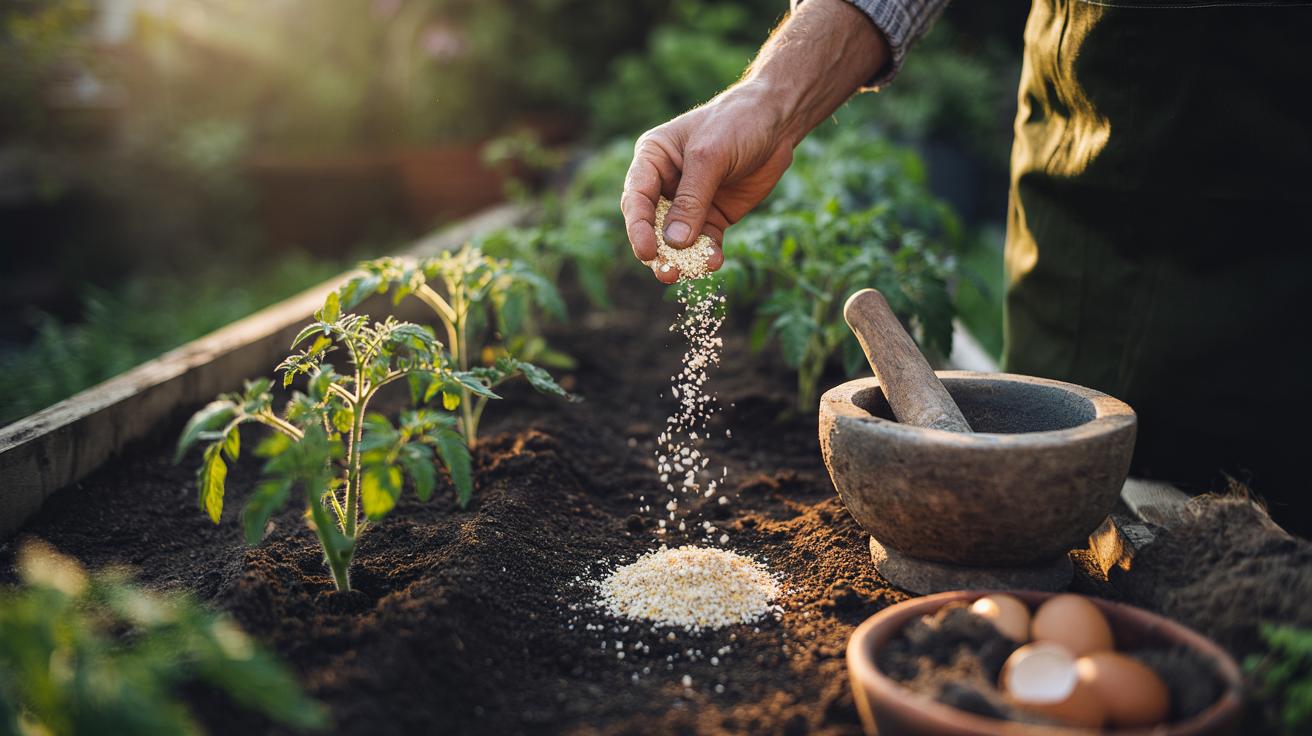
- 🥚 Practical blend: rinse, dry, lightly bake, then grind fine; mix 1 part eggshell powder + 3 parts compost + 1 part biochar. Apply a small handful per m² in beds or ~1 tsp per litre in pots; skip for ericaceous plants.
- ⏱️ Timing & rates: apply in autumn or early spring, with a prudent ceiling of 100–200 g/m² annually; use a soil test to guide need, space away from high‑P inputs, and complement with compost teas or seaweed for trace elements.
- 💧 Crop care: For tomatoes and peppers, eggshell Ca helps curb blossom‑end rot, but only with consistent watering—calcium rides the transpiration stream, so steady moisture is essential.
Every breakfast yields a quiet horticultural bonus. Eggshells, often binned without a second thought, carry a reserve of calcium carbonate that can transform tired plots and container mixes. Finely ground and blended with compost, they become a gentle, sustained source of calcium that steadies soil chemistry, strengthens roots, and coaxes nutrients into motion. Handled well, an eggshell blend won’t just feed plants—it will tune the soil environment so other fertilisers work harder and longer. In an era of frugal gardening and circular living, the humble shell is a credible tool for healthier plants, fewer disorders, and a steadier harvest across the season.
Why Eggshell Blends Boost Soil Health
Eggshells are roughly 95% CaCO3 with traces of magnesium and proteins. That matters. As the powder dissolves, it buffers acidity, curbing aluminium and manganese toxicity in acid soils and opening the door for roots to push deeper. Better root exploration equals better nutrient capture. Calcium also drives soil aggregation: it helps clay particles flocculate, improving crumb structure so water drains yet lingers in the right places. Air follows water; microbes follow both. A living, aerated soil tends to cycle nitrogen and phosphorus more predictably, reducing feast‑and‑famine nutrition.
Unlike sharp agricultural lime, an eggshell blend releases slowly—safer for raised beds and containers where over‑liming can be brutal. Powdering increases surface area and accelerates release without delivering a shock. Gardeners often fold shells into mature compost, pair them with biochar to anchor cations, or dust them around hungry perennials. The result is gradual pH nudging towards the sweet spot (about 6.2–6.8 for many crops), a range where key nutrients remain soluble but not leached away. Small, steady corrections beat dramatic swings.
How Calcium Enhances Nutrient Absorption
Calcium is more than a building block for cell walls. In roots, it stabilises membranes and regulates ion channels—gatekeepers that decide what gets in. When calcium is adequate, roots are less “leaky” and more selective, pulling in potassium and nitrate efficiently while holding the line against sodium. It also acts as a signalling molecule, helping plants steer growth towards nutrient‑rich zones and recover from stress. Good calcium status improves the plant’s decision‑making at the root interface.
There’s chemistry too. Slightly higher pH from eggshells can liberate phosphorus that was locked to iron and aluminium in acidic ground, sharpening uptake. The same shift decreases the risk of ammonium toxicity and encourages mycorrhizae, which extend nutrient reach. Balance is crucial: very high pH may precipitate phosphorus with calcium, and too much Ca can antagonise magnesium and potassium. Aim for moderation and observe plant signals. The matrix below sums up common interactions gardeners notice when calcium is tuned just right.
| Nutrient | With Adequate Calcium | Notes for Gardeners |
|---|---|---|
| Phosphorus (P) | Improved availability near pH 6.5 | Excess Ca at high pH can tie up P |
| Potassium (K) | More efficient root uptake | Too much Ca may compete with K on cation sites |
| Magnesium (Mg) | Stable if Ca is moderate | High Ca can depress Mg—add dolomitic inputs if needed |
| Nitrate (NO₃⁻) | Better assimilation via root health | Supports steady vegetative growth |
| Micronutrients | Less toxicity in acid soils | Watch for iron lock‑up if pH climbs too high |
Making and Using an Eggshell Blend
Save shells, rinse lightly, and air‑dry. For safety, bake at 100–120°C for 10–15 minutes to reduce odours and pathogens. Grind to a fine powder with a spice mill or rolling pin bagged in cloth. The finer the grind, the quicker the soil sees the calcium. For a versatile mix, combine one part eggshell powder with three parts mature compost and one part fine biochar. The compost inoculates microbes; the biochar holds cations and moisture. Store the blend dry and labelled.
In beds, fork in a thin dressing—typically a small handful per square metre at planting, then again mid‑season if needed. For pots, mix a teaspoon per litre of fresh compost when potting on. Tomatoes, peppers, brassicas, and fruiting shrubs respond well. Avoid ericaceous lovers—blueberries, rhododendrons, camellias—which prefer acidic media. If blossom‑end rot haunts your tomatoes, pair this approach with consistent watering; calcium moves with transpiration, and drought will starve fruits even when soil Ca is present. Steady moisture is the delivery van for calcium.
Timing, Rates, and Compatibility in the Garden
Apply in autumn or early spring to give microbes time to work before peak growth. On loams, 100–200 g of eggshell powder per m² annually is a prudent ceiling; sandy soils can take a little more, heavy clays a little less. The blend’s neutralising value is lower than lime, but its slow burn suits containers and no‑dig beds. If your pH already sits at 7.0, skip it, or confine use to crops that deplete calcium heavily. Always let a simple soil test guide your hand.
Compatibility matters. Pair eggshell blends with compost teas or seaweed extracts for trace elements; avoid simultaneous application with high‑phosphorus ash or rock phosphate if your pH is near neutral, as you risk precipitation. Space applications by a few weeks. Watch the crop: dark, turgid foliage and resilient stems signal success; interveinal yellowing or marginal scorch may hint at imbalances with Mg or K. Correct by supplying Epsom salts (magnesium sulphate) or a balanced, potassium‑rich feed as appropriate.
Eggshells won’t replace a thoughtful fertility plan, but they offer a thrifty, circular nudge that keeps nutrients available, roots composed, and plants less prone to stress. The payoff is cumulative: stronger cell walls, calmer pH, and steadier uptake through unpredictable weather. Turn a kitchen leftover into a season‑long ally and your soil will remember. What will you blend your next batch with—and on which crop will you trial a careful, calcium‑smart approach to see the difference for yourself?
Did you like it?4.3/5 (22)