In a nutshell
- 🌾 Rice water delivers plant-friendly starch that feeds soil microbes in the rhizosphere, prompting visible overnight perk-ups in leaf turgor and sheen—though it’s a nudge, not a miracle.
- 🧪 Use only unsalted, cooled rinse/soak/boil water; dilute 1:1–1:3, apply to the root zone in the evening, weekly in growth and less in winter for safe, steady benefits.
- 🌙 Expect improved turgor by morning and, over time, better soil structure and water retention; pair with compost, mulch, and a balanced fertilizer for robust, sustained growth.
- 🪴 Best responders: leafy greens, ferns, pothos, monsteras, and cautious use on seedlings (start 1:3); avoid or go sparingly with succulents, cacti, orchids, and carnivorous plants.
- ⚠️ Watch pitfalls: salt or oil causes stress, overuse invites mold and gnats; brief fermentation (24–48h) can help, but discard foul-smelling batches and apply to moist—not bone-dry—soil.
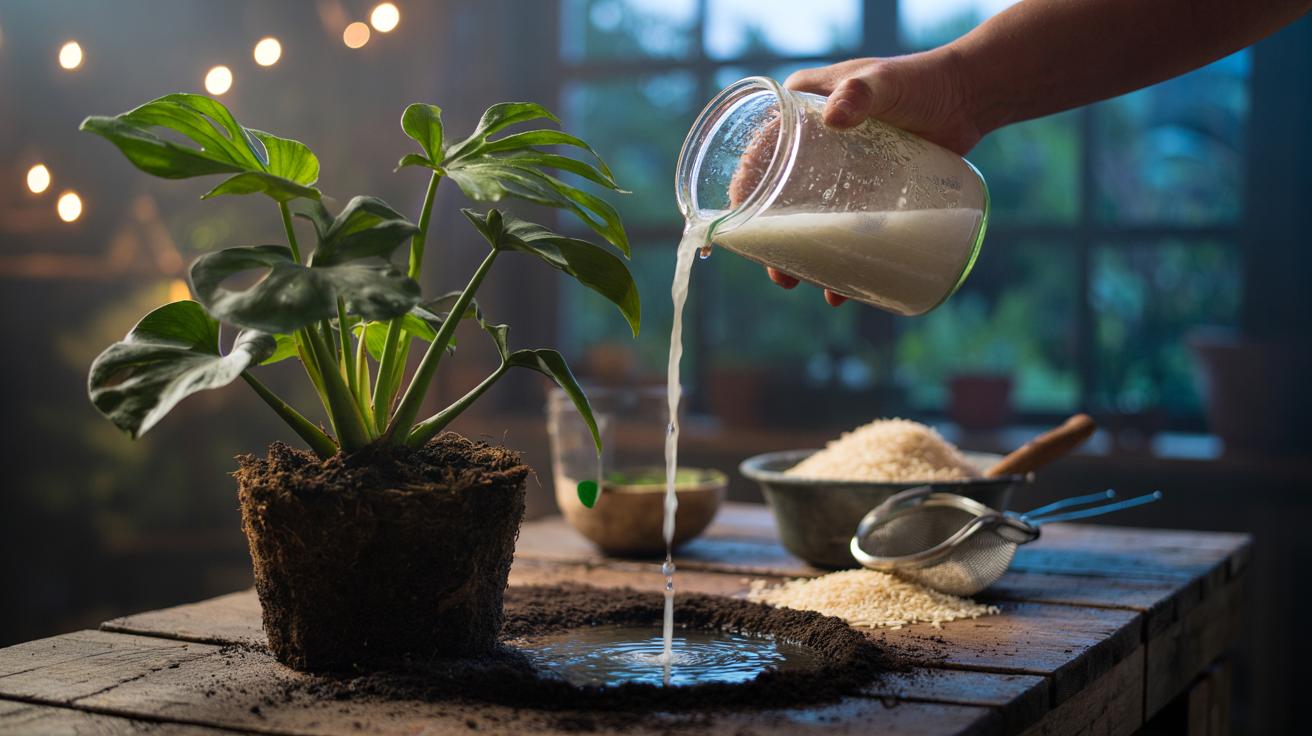
Turn a humble kitchen by-product into a quiet revolution for your borders and houseplants. Rice water—the cloudy liquid left after rinsing or boiling rice—contains starch, trace minerals, and organic compounds that can wake up sluggish soils and prompt plants to perk up by morning. Gardeners swear by its gentle kick-start, reporting fresher leaves and springier stems overnight. The science is simple: starch feeds microbes, microbes feed roots. Used wisely, it’s cheap, easy, and surprisingly effective. Never pour out potential. Capture it, cool it, dilute it, and watch your greenery respond. Here’s how to use rice water as a safe, smart tonic rather than a messy myth.
What Is Rice Water and Why Plants Love It
Rice water is the rinse or boil-off liquid from rice, rich in suspended starch granules, tiny amounts of B vitamins, and traces of phosphorus, potassium, and silica. On its own, it’s not a complete fertilizer. But it acts as a fast, accessible carbon source for beneficial microbes living around roots—the rhizosphere. Those microbes break down organic matter and unlock nutrients, creating a short, useful pulse of activity that plants can benefit from shortly after watering. Think of it as a gentle spark rather than a roaring fire.
That spark matters at night. When temperatures dip and transpiration slows, roots keep working. An evening drench of diluted rice water can fuel a brief microbial bloom, improving nutrient exchange so leaves look fresher by morning. It’s not magic growth in twelve hours, but a visible lift in turgor and sheen. The thin starch film can also reduce minor surface evaporation from potting mixes, helping containers hold moisture a touch longer without waterlogging—useful during warm spells or in centrally heated rooms.
A caveat: if your cooking water contains salt or oil, it’s a no-go. Salted rice water can cause osmotic stress and leaf burn. Stick to unsalted, unflavoured water, and always cool before use. Done right, rice water becomes a subtle, eco-friendly supplement, not a replacement for balanced feeding.
Preparing and Using Rice Water Safely
There are three practical ways to collect rice water. Rinsing: swish raw rice in clean water until cloudy, then strain. Soaking: cover rice with water for 30 minutes, then decant. Boiling: save the cooking water after rice is done. In every case, let the liquid cool fully. Do not apply hot liquids to soil or foliage. For potted plants and beds, dilute 1:1 to 1:3 (rice water:plain water) to avoid residue buildup. Water the soil around the root zone, not the crown, ideally in the cool of early evening when microbial action and root uptake can synchronise.
| Method | Typical Strength | Best Use | Key Note |
|---|---|---|---|
| Rinse Water | Light | Houseplants, seedlings | Low risk, easiest to dilute |
| Soak Water | Medium | Leafy greens, ferns | Strain to remove starch clumps |
| Boil-Off Water | Strong | Outdoor beds | Use only unsalted; dilute well |
Frequency matters. Once a week suits most plants in active growth; every two to three weeks in winter. If you experiment with short fermentation (24–48 hours in a loosely covered jar), expect a slight sour smell. That can boost microbial stimulation, yet over-fermented, foul-smelling liquid invites gnats and anaerobic pathogens. When in doubt, discard and start fresh. Apply to moist soil, not bone-dry media, to prevent channeling and ensure even distribution. Wipe any starch residue off leaves after foliar misting to keep pores clear.
Overnight Effects and Longer-Term Benefits
What may you notice by morning? Leaves often look plumper; stems appear less droopy. That’s improved turgor, not inches of growth. The starch fraction provides a quick carbohydrate snack to soil life, which in turn nudges nutrient cycling, especially of nitrogen and phosphorus. Plants translate that into subtle, short-term vitality—brighter hues, tauter foliage, a general “awake” look. It’s a nudge, not a miracle. Still, across a season, these small nudges accumulate.
Longer-term, consistent, modest use can enhance soil structure. As microbial populations rise and fall, they create glues—polysaccharides—that help bind particles into stable crumbs. Better aggregation means improved aeration and water retention, valuable for containers that swing quickly from wet to dry. Coupled with a balanced fertilizer and organic matter, rice water becomes an ally in a holistic program: compost, mulch, and sensible watering. It also encourages root hair development, increasing the surface area for nutrient uptake, and that translates into sturdier, more resilient plants facing heat or brief drought.
Beware of excess. Heavy, repeated applications can leave a sticky film that encourages mold or fungus gnats, especially in low-light corners. If you spot sour odors, algae, or scummy surfaces, pause usage and flush with clean water. Balance is the secret to turning kitchen waste into garden wealth.
Plants That Respond Best and Those to Skip
Leafy, fast-growing plants adore this tonic. Try it on lettuces, Asian greens, spinach, and basil in containers; many gardeners report perkier leaves within hours of an evening drench. Indoors, calatheas, ferns, pothos, and monsteras often respond positively thanks to their active root systems and love of evenly moist media. Seedlings, handled gently, also benefit from a diluted rinse that keeps microbial life humming while avoiding fertilizer burn. For these groups, start at 1:3 dilution and assess in a week.
Proceed carefully with orchids mounted on bark, carnivorous plants, or succulents and cacti that prefer lean, free-draining mixes. They resent sticky residues and prolonged moisture. Mediterranean herbs—rosemary, lavender—fall into the cautious camp too. Waterlogged or poorly ventilated spaces are prone to gnat flare-ups if starch accumulates. If a plant demands dryness and air, rice water is rarely the right gift. Outdoors, heavy clay soils can crust if drenches are concentrated; lighten the dose and follow with a brief clear-water rinse.
Pair rice water with good practice: repot tired plants, add grit to dense mixes, and feed with a balanced fertilizer when foliage is pale or growth is slow. Rice water isn’t a cure-all; it’s a support act that shines when the basics are right. Observe, adjust, and record results so you can repeat what works.
Rice water is the quiet assistant your garden didn’t know it needed—cheap, available, and surprisingly versatile when used with restraint. By feeding microbes and easing moisture stress, it can make plants look fresher overnight and healthier over weeks. Keep it unsalted, dilute it, and watch for feedback from leaves and soil. Small, steady interventions beat one-off fixes. Ready to turn yesterday’s rinse water into today’s subtle plant tonic—and to track which of your plants respond best to the starch boost?
Did you like it?4.6/5 (27)